
Reviewed · FAMAGUSTA AND SALAMIS DAY TRIPS
Paphos: Choirokitia & Famagusta Guided Tour with Transfers
The most arresting part of this day is Varosha, a once-famous beach resort left empty after the 1974 division of Cyprus. Walking its opened streets beside silent hotels gives recent history a physical presence that no museum display can match. I also like the contrast with Salamis, where Roman baths, mosaics, and a theatre take you much further back, to the ancient world.
I like the practical hotel pickup from across Paphos and the fact that an English-speaking guide explains the border crossing and the island’s divided past along the way. Guides including George, Emma, Vasos, Vassos, and Stelios have been praised for clear, engaging commentary. The catch is the 11-hour schedule: you spend much of it on the road, and several people wish they had more time at Salamis, Famagusta, or Varosha.
In This Review
- Key points before you book
- Why this Northern Cyprus day trip is worth the long road
- Pickup from Paphos and the first hours on the coach
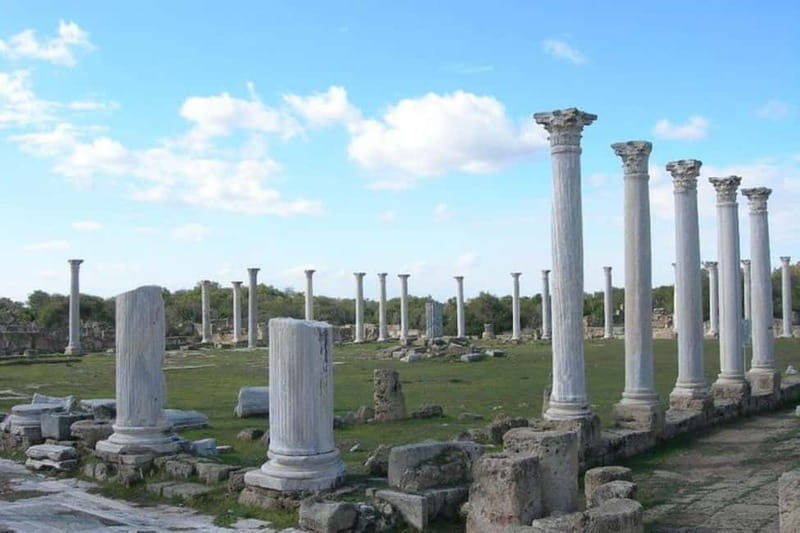
- Salamis, where ancient Cyprus opens up
- Famagusta Old Town inside the Venetian walls
- Varosha, the abandoned resort frozen after 1974
- The return journey and what the schedule really feels like
- Who will enjoy this tour most?
- Border documents, food, and useful packing advice
- Should you book the Salamis, Famagusta, and Varosha tour?
- FAQ
- How long does the tour last?
- Is hotel pickup included?
- What documents do I need for the border crossing?
- Is lunch included?
- Is the tour suitable for wheelchair users?
- What language is the tour conducted in?
Key points before you book
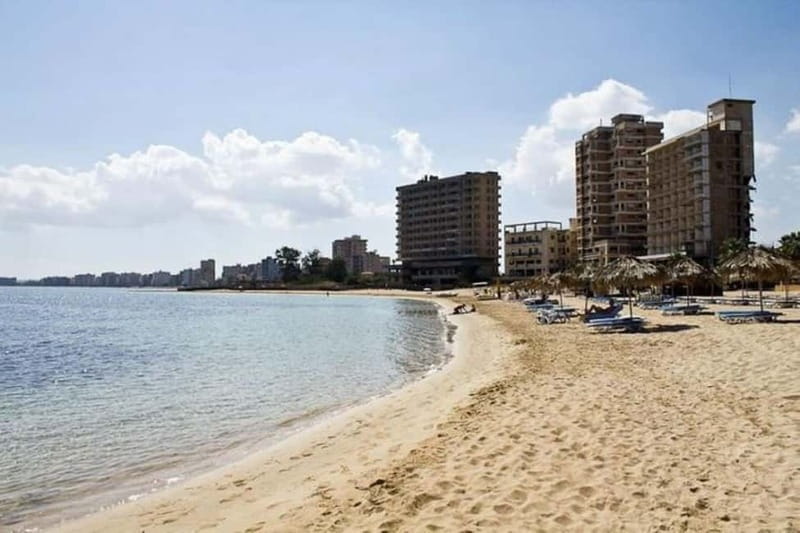
- Varosha is the emotional centerpiece: Walk through part of the abandoned resort, frozen after its evacuation in 1974.
- Salamis gives the day its ancient drama: See Roman baths, a gymnasium, mosaics, and an ancient theatre at a site dating to about 1100 BC.
- Famagusta packs several eras into one old town: Venetian walls, Gothic churches, Ottoman mosques, Othello Tower, and palace ruins all appear on the walking route.
- The coach journey is substantial: The outward trip takes about one and a half hours before the Khirokitia stop, while the return to Paphos takes about two and a half hours.
- Lunch is optional: You can eat at a local tavern for an additional charge, or use your free time in Famagusta to choose another café or restaurant.
- Bring the right border documents: You need a passport or accepted European national identity card, and some nationalities require special permission before booking.
Why this Northern Cyprus day trip is worth the long road
This is not a quick sightseeing outing. From Paphos, you cross much of Cyprus to reach the island’s eastern side, then cross into the north. The reward is a day built around three very different subjects: an ancient city, a medieval walled town, and a modern resort caught in a political crisis.
I would choose this tour if you want context as much as photographs. The guide talks during the coach ride, pointing out places passed on the way and explaining Cyprus’s history, culture, and present division. That makes the long transfers more useful than simple dead time, though you should still bring water, settle in, and accept that the bus is a major part of the experience.
The overall price is $80 per person. That is a fair package price for hotel transfers from Paphos, air-conditioned transportation, a licensed English-speaking guide, entry to Salamis, Famagusta landmarks, and guided walks in both Famagusta and Varosha. You would have to arrange transport across the island and the border yourself without it, which is not a simple task.
The value depends on your priorities. If you want a relaxed day with long café stops, this is too ambitious. If you want to reach places that are difficult to visit independently and hear the political background as you go, it offers a practical solution.
More Famagusta and Salamis Day Trips in Paphos
- Full-day Famagusta: Lost Cities & Coastal Secrets from Paphos
★ 4.5 · 274 reviews - From Paphos: Famagusta with Salamis and Varosha ‘Ghost Town’
★ 4.6 · 64 reviews - From Paphos: Famagusta, Salamis, and Varosha Walking Tour
★ 4.7 · 54 reviews
Pickup from Paphos and the first hours on the coach
Pickup is offered at a wide range of Paphos hotels, bus stops, cafés, and landmarks, including hotels around Coral Bay, Tombs of the Kings, Kato Paphos, and the beachfront. You wait outside your hotel or at the confirmed nearby meeting point, so check the pickup instructions carefully if your accommodation is not listed.
The group travels by air-conditioned coach or minibus. The vehicle has been described as clean and comfortable, but comfort can vary with the size of the vehicle and your seat. Some departures have had around 30 people, and a few people found legroom limited for such a long day.
The first major drive lasts about 90 minutes. A comfort stop around Khirokitia gives you a chance to stretch your legs, but it is not the main archaeological visit advertised by the tour. The schedule lists roughly 20 minutes there, so think of it as a short break rather than time for a full exploration of the Neolithic site.
The route then continues toward Strovilia, where you pass through the area before reaching the main Northern Cyprus visits. Border formalities are part of the day. Keep your passport or accepted European identity card easy to reach, and follow the guide’s instructions rather than packing your documents deep in a bag.
Guides on different departures have included George, Emma, Vasos, Vassos, and Stelios. The strongest part of the guiding is the commentary during the drives. You get explanations of the island’s past and present, along with details about towns and villages along the route. On a full coach, it can be harder to ask questions or hear every word, so sit near the front if that matters to you.
Salamis, where ancient Cyprus opens up
Salamis is the first major sightseeing stop and one of the day’s best. The ancient city dates to around 1100 BC and later flourished under Greek, Roman, and Byzantine rule. The ruins show how important this eastern Cypriot city once was without requiring you to imagine everything from a few scattered stones.
The visit includes the remains of Roman baths, a gymnasium, an ancient theatre, and decorative mosaics. These features help you see the city as a working urban center rather than just an archaeological field. The baths and gymnasium suggest public life, while the theatre gives a sense of entertainment and civic display.
The guide adds the story behind the stones, which matters here. Without explanation, large ruins can blur together, especially under strong sun. With context, the layers become easier to read: Greek origins, Roman building projects, and later Byzantine use all left their mark.
Wear proper walking shoes. The ground at archaeological sites can be uneven, and the visit involves walking in the open. A hat, water, and sun protection are essential in warm months. There is limited time, about one hour for the guided visit, and that is the main limitation. I would happily spend longer at Salamis, particularly if you enjoy ancient sites and want to look closely at the mosaics and theatre.
The short schedule does keep the day moving. You will see the major areas without turning the stop into a slow archaeological study. If Salamis is your main reason for booking, know that this tour gives you a strong introduction, not an unhurried half-day visit.
Famagusta Old Town inside the Venetian walls
Famagusta shifts the mood and the period. After Salamis, you enter a walled city with medieval streets, Gothic churches, Ottoman mosques, and Venetian remains. The mixture is unusually concentrated, so the guided walk gives you a better sense of how control of the city changed over time.
The most striking building is the former St. Nikolaos Cathedral, now Lala Mustafa Pasha Mosque. Its Gothic design reflects the city’s medieval Christian period, while its present use reflects the Ottoman era. Visitors should dress modestly when entering religious places, even during a busy sightseeing day.
The route also includes Othello Tower, associated with Shakespeare’s play, and the ruins of the Venetian Palace. These are not just isolated photo stops. Together, they explain Famagusta’s position as a fortified port city shaped by trade, conquest, religion, and military power.
You get about two hours in Famagusta, including the guided walk and free time. This is enough to see the central sights and have lunch, but the clock matters. Some departures lose time if people are late returning to the coach, so listen carefully to the meeting instructions.
Lunch is not included. The group may be offered a local tavern serving Cypriot-Turkish food, with payment made on the spot. Several people found this convenient and good value, while others preferred to choose their own place in Famagusta rather than eat with the whole group. You can use your break to sample local dishes, find a café, or simply explore more streets, but remember that this is not a long independent city visit.
Famagusta can surprise you. It is more than a gateway to Varosha, and its churches, walls, and old streets deserve attention. The tradeoff is that the tour’s broad scope means you cannot explore every corner.
Same island, a completely different kind of day:
- Blue Lagoon (Akamas) Bus & Boat Tour with Water Slide from Paphos
★ 4.5 · 2,496 reviews - Paphos/Akamas: Blue Lagoon Bus & Boat Tour with Water Slide
★ 4.7 · 2,242 reviews - From Paphos: Blue Lagoon and Baths of Aphrodite Day Trip
★ 4.7 · 1,730 reviews - 100% Cyprus – Tour to Troodos mountains and villages (From Paphos)
★ 4.5 · 1,562 reviews
Varosha, the abandoned resort frozen after 1974
Varosha is the reason many people choose this excursion. Once a luxury seaside resort, it was abandoned abruptly in 1974 and remained closed for decades. The guided walk gives you a look at streets, empty buildings, and the remains of a resort that once attracted wealthy holidaymakers and famous visitors.
The power of the place comes from the contrast between its former purpose and its current state. Hotels and resort buildings were designed for leisure, yet the streets are marked by absence. You are not looking at an ancient ruin shaped slowly by weather and time. You are seeing a modern town interrupted by conflict.
The stop lasts around 45 minutes. That is enough for a guided walk and photographs, but it is not enough for a broad independent exploration. This is the most common practical complaint about the schedule. I would also be careful with expectations: the open section does not necessarily reveal every personal object, furnished room, or abandoned car you may have seen in dramatic photographs.
The guide explains what happened and places Varosha within the wider division of Cyprus. That context is important. Without it, the visit risks becoming simple ruin photography. With it, the silent resort becomes a difficult and human story about displacement, lost homes, and an unresolved political situation.
You may find the stop fascinating, sad, or uncomfortable. That is part of its value, but it is not light entertainment. Go with respect, avoid treating the area as a theme park, and listen to the explanation. The guide’s role is especially important here, and the strongest departures have benefited from clear, thoughtful commentary.
There is no time for a swim or a long beach break in the stated program. If you expect a seaside stop, adjust your plans. Varosha is a walking and history visit.
The return journey and what the schedule really feels like
After Varosha, the coach heads back toward Paphos. The return drive is listed at about two and a half hours, and the full day can stretch to 11 hours once hotel pickups and drop-offs are included.
A second café or comfort stop may be made on the return. Some people appreciate the chance to stretch and buy a drink. Others would rather skip it and reach the hotel sooner, especially after a hot day. Either way, the coach ride gives you time to process what you have seen.
The large pickup area adds time at both ends. That is useful because it makes the tour accessible from many Paphos accommodations, but it also means the first and last parts of the day can feel longer. The schedule generally runs on time when everyone returns promptly. A late passenger can reduce your time at Famagusta, so punctuality matters.
The transport has received plenty of praise for air conditioning, clean vehicles, and careful driving. Still, isolated complaints about limited legroom and one concern about abrupt braking are worth keeping in mind. The practical advice is simple: choose comfortable clothing, keep water nearby, and do not book this as a day when you need to be fresh for an evening event.
Who will enjoy this tour most?
I would recommend it to you if you are interested in archaeology, fortifications, religious architecture, and the modern politics of Cyprus. It suits curious adults who want to connect several periods in one day rather than spend the whole day at one site.
It is also useful if you do not have a rental car or do not want to deal with the border and Northern Cyprus transport yourself. Hotel pickup, entry fees, guiding, and transport are bundled together, which removes much of the planning.
Families with older children may manage it, but the length and heat can be tiring. The tour is not suitable for wheelchair users or people with mobility impairments. You walk at Salamis, through Famagusta Old Town, and around Varosha, so comfortable shoes are not optional.
I would not choose it if you dislike organized group timing. You cannot linger at every ruin, set your own departure time, or spend half a day in Famagusta. A private tour or self-drive arrangement would offer more freedom, but it would not have the same straightforward pickup and included guiding.
Border documents, food, and useful packing advice
Bring your passport or an accepted European national identity card. Passport holders from Syria, Armenia, Nigeria, and Turkmenistan cannot join unless they arrange a special entry visa before booking. Handwritten Greek identity cards are not accepted.
Pack water, a hat, sun protection, and comfortable walking shoes. Modest clothing is sensible for the mosque and other religious landmarks. Carry some cash because small cafés and vendors may not accept cards.
The tour operates in English. Cancellation is free up to 24 hours before departure, and you can reserve now and pay later, which helps if your Paphos plans are still moving around. Pickup is included, but only listed hotels and meeting points are covered directly, so contact the provider for the nearest pickup location if yours is missing.
Should you book the Salamis, Famagusta, and Varosha tour?
Book it if you want the most efficient guided route from Paphos to Northern Cyprus and you accept a long coach day. The combination is unusually strong: ancient Salamis, medieval Famagusta, and the modern tragedy of Varosha give you three very different ways to understand the island.
The best parts are the well-informed English commentary, the clear organization, the included entries, and the chance to visit Varosha without arranging complicated transport. The main weaknesses are the distance, group timing, and limited time at the most interesting sites.
My practical choice would be to book this for a day when you can handle 11 hours, eat a quick lunch, and focus on the story rather than ticking off every detail. If that sounds like your kind of sightseeing, $80 is good value. If you want a slow archaeological visit or a leisurely afternoon in Famagusta, choose something with a narrower route.
FAQ
How long does the tour last?
The advertised duration is 11 hours, including hotel pickup and drop-off from Paphos. The return journey is long because the tour crosses much of Cyprus.
Is hotel pickup included?
Yes. Pickup and drop-off are included from listed Paphos hotels and meeting points. If your hotel is not listed, contact the provider for the nearest pickup location.
What documents do I need for the border crossing?
You need a passport or an accepted European national identity card. Handwritten Greek identity cards are not accepted. Passport holders from Syria, Armenia, Nigeria, and Turkmenistan need to arrange a special entry visa before booking.
Is lunch included?
No. Lunch in Famagusta is optional and payable on the spot. You may eat at a suggested local tavern or use your free time to find another place in Famagusta.
Is the tour suitable for wheelchair users?
No. The experience is not suitable for wheelchair users or people with mobility impairments.
What language is the tour conducted in?
The tour is conducted in English with a live English-speaking guide.
Just added around Paphos
- Wave Dancer Deluxe Night cruise with Fireworks (Adults Only)★ 4.8 · 17 reviews
- Troodos Mountains -Free Wine Tasting- Max 7p Group -Full A/C★ 4.9 · 6 reviews
- Troodos Villages and Kykkos Monastery from Paphos in Polish★ 4.6 · 15 reviews
- Wine tasting and winery tour at Fikardos Winery★ 5.0 · 23 reviews
- Wine tasting on-board the Demetris Chara BBQboat BlueLagoon tours★ 5.0 · 21 reviews
- Afternoon 2 hour tour to Adonis waterfalls only !!!★ 5.0 · 19 reviews
- No Licence Private Self Drive Boat to Blue Lagoon +masks&snorkels★ 5.0 · 10 reviews
- Sea Star Full Day Blue Lagoon Cruise from Paphos★ 3.5 · 18 reviews
Famagusta and Salamis Day Trips, compared.
Famagusta, Blue Lagoon and Turtle Cove Boat Trip
Read our review →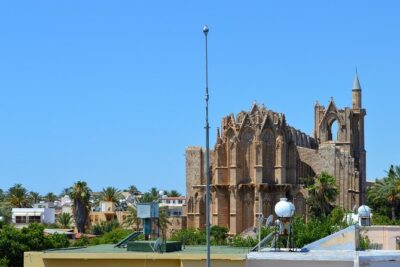
Ghost-Town Famagusta Mini Bus Tour from Protaras and Ayia Napa
Read our review →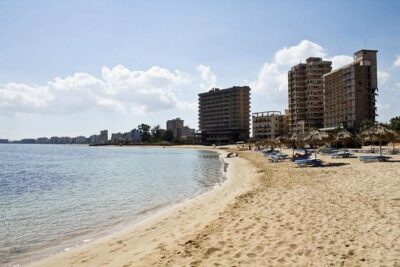
Full-day Famagusta: Lost Cities & Coastal Secrets from Paphos
Read our review →
From Aya Napa/Protaras: Varosha Ghost Town Tour on a Red Bus
Read our review →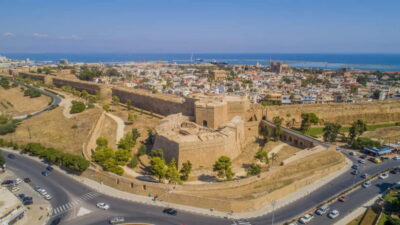
Famagusta & Salamis with a Polish-speaking Guide
Read our review →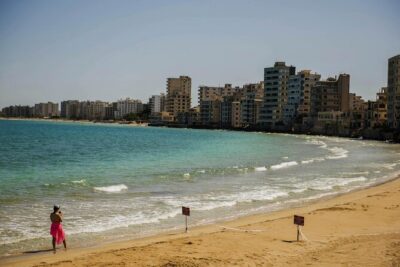
Red Bus Varosha experience in English from Ayia Napa, Protaras
Read our review →
Browse the lists this tour appears in