
Reviewed · WALKING TOURS
Nicosia: Green Line and Buffer Zone Guided Walk
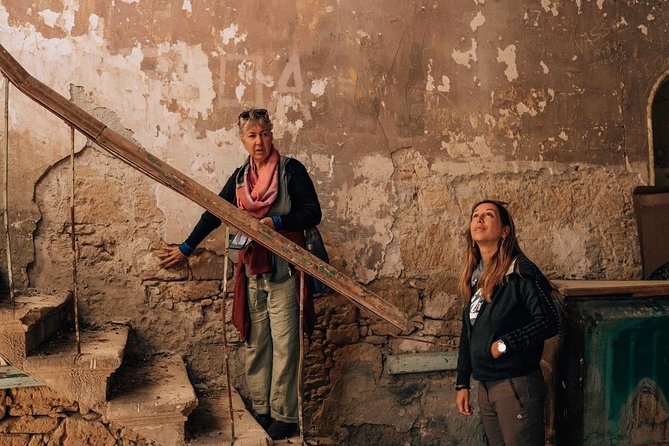
Nicosia is Europe’s last divided capital, and this walk takes you right up to the line that splits it. You’ll see abandoned buildings, bullet holes, barricades, and UN positions while guide Eleni Ellinas explains how the division shaped ordinary life on both sides.
I like two things especially: Eleni brings lived experience from the events of the 1970s, and the small group, capped at 10 people, leaves room for real questions. The coffee or tea stop also helps break up the walk. The main consideration is that the subject is serious, and the full experience can run close to three hours in hot weather.
In This Review
- Key points to know
- Why the Green Line is the real subject
- Starting at Famagusta Gate and the Venetian walls
- Ledra Palace and a city frozen in time
- Walking toward Ledra Street
- The two crossing points
- What Eleni Ellinas adds to the walk
- Price, group size, and overall value
- Who will get the most from this experience
- My verdict on the Nicosia Green Line walk
- FAQ
- How long does the Nicosia Green Line walk last?
- Where does the tour begin?
- Where does the tour end?
- Is the tour offered in English?
- How many people can join the walk?
- Does the tour include transportation?
- Can the tour cross into northern Nicosia?
- What happens if the tour is canceled because of weather?
Key points to know
- Personal history from Eleni Ellinas: Expect first-hand stories alongside the wider political background.
- A walk along the Green Line: Follow the buffer zone through streets you could easily miss without a local guide.
- Venetian walls and Famagusta Gate: The route begins with Nicosia’s old fortifications before turning to its modern division.
- Two crossing points: See both the Ledra Palace and Ledra Street checkpoints, with a possible visit to the northern side if arrangements and group interest allow.
- Small-group format: A maximum of 10 people makes it easier to ask questions and adjust the pace.
- Practical ending: The walk finishes at the Ledra Street checkpoint, close to the heart of old Nicosia.
Why the Green Line is the real subject
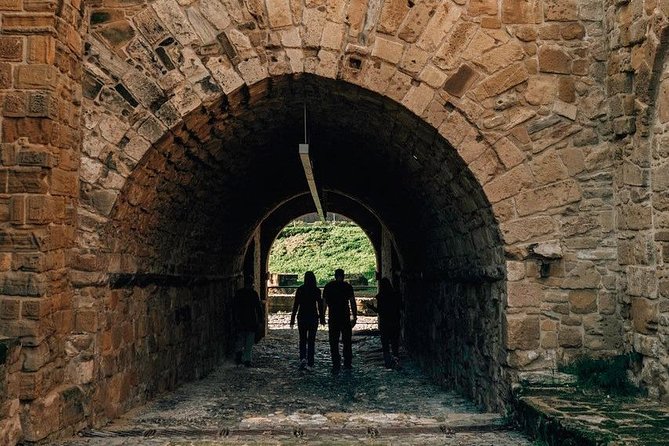
The Green Line is not simply a stripe on a map. In Nicosia, it cuts through the old city, separating the southern section administered by the Republic of Cyprus from the northern section. The division has kept Greek Cypriot and Turkish Cypriot communities apart for more than four decades.
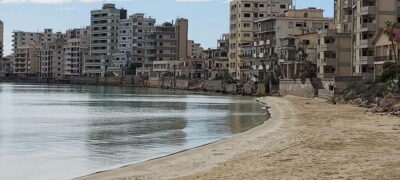
That political description can feel distant until you walk beside the barriers. Here, the story is written on streets, homes, shops, and walls. Buildings were abandoned, nature reclaimed parts of them, and military posts and barricades became part of the city’s daily view.
I like this tour because it does not treat the buffer zone as a strange photo stop. Eleni explains the events of the 1960s and 1970s, the 1974 division, and the continuing effects on Nicosia and Cyprus. Her own experiences give the walk a human scale, but she presents the subject with care and balance rather than turning it into a political speech.
You should come ready to listen. This is not a light sightseeing stroll with a few dramatic ruins added for effect. It deals with separation, war, family memories, and a conflict that still shapes the country.
A few more Nicosia trips to weigh up
- Nicosia: Private Walking Tour with a Local
★ 4.6 · 39 reviews - Nicosia Private Walking Tour with a Local
★ 4.0 · 11 reviews - Nicosia: Private City Discovery Walking Tour
★ 4.5 · 8 reviews
Starting at Famagusta Gate and the Venetian walls
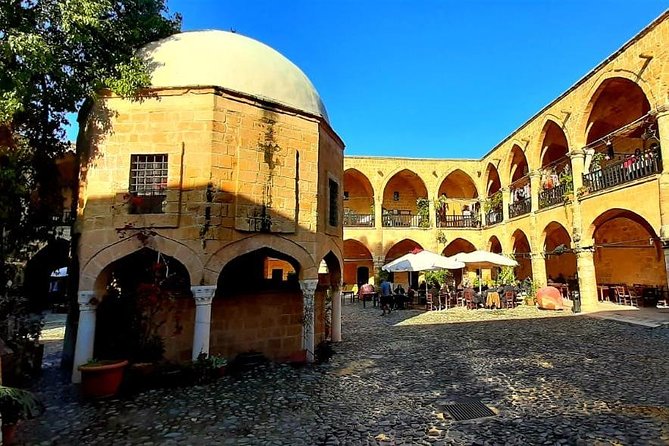
The advertised meeting point is the Ledra Palace Hotel, at Markou Drakou in Nicosia. The route also includes Famagusta Gate, one of the most important gates of Venetian Lefkosia. Built in the 16th century, it once opened toward the road to Famagusta, Cyprus’s major port.
The gate itself is a short stop, about 10 minutes, and admission is free. It gives you a useful first chapter: Nicosia was already a fortified city long before the Green Line divided its center.
From there, the route connects the old Venetian fortifications with the modern buffer zone. The walls form a distinctive ring around the old city, a shape that becomes easier to understand when you see how the fortifications wrap around Nicosia.
The walk is valuable because the old walls are not treated as isolated monuments. Eleni uses them to explain the city’s earlier role and then shows how the same compact old center later became divided. You get both the medieval city and the 20th-century political reality in one outing.
Do not expect a long indoor visit at Famagusta Gate. It is mainly an orientation stop. The real focus is the walking route that follows.
Ledra Palace and a city frozen in time
The walk begins in earnest around the Ledra Palace Hotel, once known as the capital’s largest and most majestic hotel. Its name is closely tied to the old city’s division, and the nearby crossing is one of the places where you begin to see how the separation works on the ground.
This part of Nicosia can feel oddly suspended. Streets that once served ordinary city life were cut off, buildings were left unused, and military positions became fixed features. You might see bullet damage, barricades, and structures that appear to have stopped in another era.
That is where a local guide matters. If you wandered around the buffer zone alone, you could identify a wall or an abandoned building but miss why it is there. Eleni connects physical details to the people who lived through the division and to the changes that followed later agreements to open crossing points.
One of the strongest parts of the walk is the contrast between the two sides of the city. The distance between them can be short, yet the political and cultural differences feel much larger. Eleni explains the Greek Cypriot and Turkish Cypriot communities without reducing either side to a simple stereotype.
The route is also flexible in a useful way. Several people describe Eleni adjusting the pace for age, energy, and heat, using shade and drink stops when needed. That matters in Nicosia, where a three-hour walk can feel demanding in warm weather.
Walking toward Ledra Street
Ledra Street sits at the center of Nicosia’s walled city. Once marked by the division, it has become a busy pedestrian commercial street again, with shops, cafés, and people moving through the old center.
The route shows both sides of that change. Some parts of the city have returned to everyday use, while nearby buildings still carry the scars of decades of separation. This mixture gives the walk its particular character. You are not touring a preserved historical display. You are walking through a city still working out how to live with its past.
Eleni’s storytelling is the main feature here. She shares personal memories from the 1970s and explains how the conflict affected daily life. Her accounts help you understand that the Green Line is not just a diplomatic boundary. It separated homes, neighborhoods, businesses, and communities.
The small group makes a difference. With no more than 10 people, you can stop to ask about a detail, clarify a date, or raise a question about present-day life. This is a better setup for a complicated subject than a large group with a guide speaking continuously at the front.
A coffee or tea stop breaks up the route. It is a simple touch, but a welcome one, especially if the day is hot. The pause also gives the conversation a more relaxed rhythm. This is not a tour built around long formal lectures. You walk, look, listen, ask questions, and continue.
Same island, a completely different kind of day:
- 3-hour Nicosia Segway Tour
★ 5.0 · 323 reviews - NORTHERN CYPRUS ALL-IN-ONE Private Day Trip from Nicosia
★ 5.0 · 89 reviews - Nicosia: Green Line and Buffer Zone Guided Tour
★ 5.0 · 68 reviews - Divided Capital NICOSIA
★ 5.0 · 25 reviews
The two crossing points
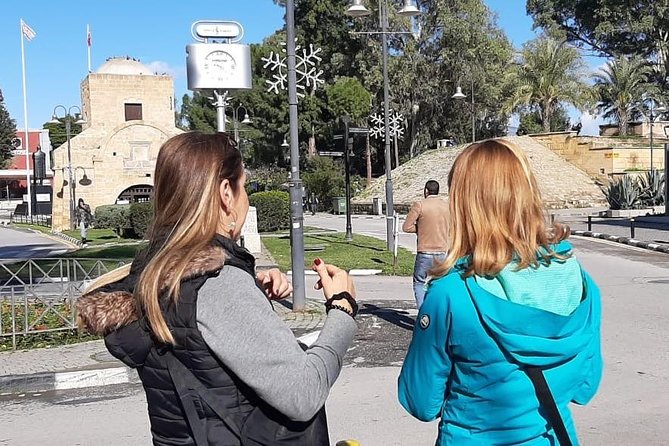
The experience includes the Ledra Palace crossing and the Ledra Street checkpoint. Seeing both gives you a clearer sense of how the divided city connects at specific points while remaining politically separate.
The tour ends at the Ledra Street checkpoint, at Ledras 68. That makes the finish practical if you want to continue exploring central Nicosia on foot. Eleni also provides suggestions for restaurants and places to see on both sides of the buffer zone, according to the needs and interests of the group.
Crossing into the northern side is possible in some circumstances, but you should not assume it is guaranteed as part of every departure. Several accounts describe Eleni checking in advance when another person wanted to cross, or including the northern side when the group was interested. If crossing matters to you, ask about the current arrangements before booking.
You will need to follow the rules at the checkpoint and carry the documents required for crossing. The supplied tour details do not specify document requirements, so check current official guidance before you go rather than relying on assumptions.
Even when the route remains on the southern side, the crossing points are important. They show how movement through Nicosia has changed and give you a direct view of the city’s ongoing division.
What Eleni Ellinas adds to the walk

The guide is the reason this experience feels more personal than a standard city walk. Eleni combines local knowledge with first-hand memories from the 1970s, and she is described as warm, patient, and open to questions.
That combination is especially useful in Cyprus. The island’s division is politically sensitive, and a guide can easily present only one version of events. Eleni’s approach is described as balanced and respectful, while still acknowledging personal loss and the emotional weight of the subject.
She also adapts the walk to the group. If people want more detail, the discussion can expand. If heat or tiredness becomes a problem, the pace can slow and a break can be added. One walk even ran longer than planned because the group was engaged and a specialist guest contributed to a discussion about architecture and street art. You should allow some flexibility rather than planning a tight connection immediately afterward.
The personal element does not replace the historical explanation. It adds to it. You learn about Cyprus’s wider story, then hear how those events affected people who lived through them. That is what turns a line of barriers into something you can understand.
Price, group size, and overall value
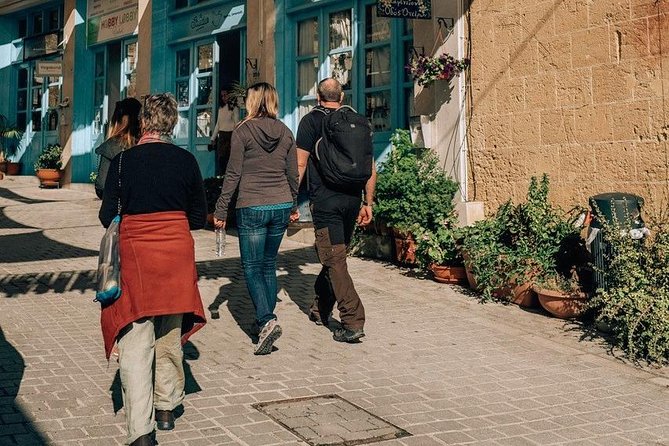
The price is $83.48 per person, which is not bargain pricing for a two-to-three-hour walk. There is no private transportation, and the experience is primarily a guided route on foot.
I think the price is reasonable if your main aim is to understand Nicosia’s division rather than simply collect a few photographs. The fee covers the guide and entrance fees, and the small group gives you access to a level of discussion that is hard to get from a large city tour.
The value depends on your interests. If you want a fast overview of monuments, you may find this too focused and too long. If you care about modern history, politics, local memory, and the human effects of borders, the guide’s explanations make the cost easier to justify.
The average booking point is about 30 days ahead, so booking early is sensible if your Nicosia dates are fixed. The tour is offered in English and uses a mobile ticket. Confirmation arrives when you book.
Most people can take part, and service animals are allowed. An accessible toilet is available at the meeting point, and the tour is near public transportation. The walk itself still involves being outdoors and on foot for up to three hours, so wear comfortable shoes and plan for the weather.
Free cancellation is available up to 24 hours before the start time for a full refund. Changes or cancellations inside that window are not accepted for a refund. Poor weather or failure to reach the minimum number of participants can lead to a different date, another experience, or a full refund.
Who will get the most from this experience
I would choose this walk if you want context for the rest of your Cyprus visit. It works particularly well at the start of a stay because you leave with a better sense of the island’s politics, communities, and divided capital.
It suits:
- History-focused visitors who want more than dates and monuments.
- First-time visitors to Nicosia who need a clear introduction to the city.
- People interested in modern conflict and the effects of borders on daily life.
- Couples and families who prefer a conversational small-group walk.
- Independent explorers who want restaurant and sightseeing ideas after the tour.
- Anyone curious about both sides of the city, provided they confirm current crossing arrangements.
It may not suit you if you dislike serious subjects, have difficulty walking for several hours, or want a tour centered mainly on shopping and architecture. The Venetian walls and old streets are part of the route, but the Green Line and Cyprus’s division remain the main focus.
My verdict on the Nicosia Green Line walk
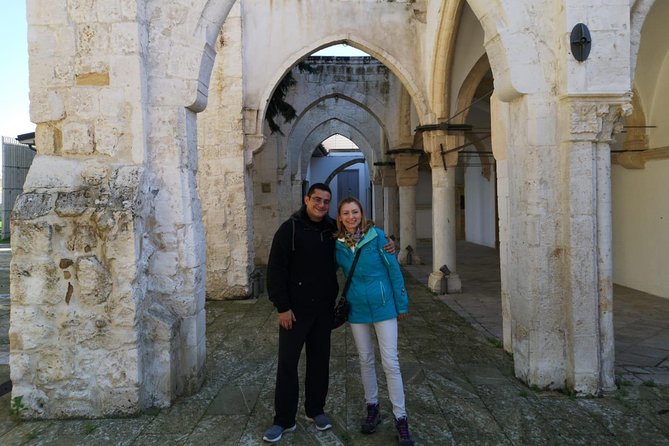
I would book this tour if you want to understand why Nicosia feels unlike any other European capital. The route gives you Famagusta Gate, Venetian fortifications, Ledra Palace, Ledra Street, abandoned buildings, and crossing points, but the lasting value comes from the explanation tying these places together.
Eleni Ellinas is especially well suited to this subject because she can discuss both the public history and the personal cost. Her flexible pace, small groups, coffee or tea break, and practical advice for further exploring Nicosia all add value.
Book it for the stories, the context, and the chance to ask questions. Do not book it expecting a quick sightseeing loop or a guaranteed crossing into the north unless that has been confirmed before your departure. For a thoughtful introduction to divided Nicosia, it is one of the strongest choices in the city.
FAQ
How long does the Nicosia Green Line walk last?
The experience lasts approximately two to three hours. You should allow close to three hours, since the route includes several stops, discussion, and a coffee or tea break.
Where does the tour begin?
The meeting point is the Ledra Palace Hotel at 59H4+42V, Markou Drakou, Nicosia 1102.
Where does the tour end?
The walk ends at the Ledra Street checkpoint at Ledras 68, Nicosia 1010, Cyprus.
Is the tour offered in English?
Yes. The tour is offered in English.
How many people can join the walk?
The group has a maximum of 10 participants.
Does the tour include transportation?
No. Private transportation is not included. This is a guided walking experience.
Can the tour cross into northern Nicosia?
The route includes the Ledra Palace and Ledra Street crossing points. A crossing into the northern side may be included depending on arrangements and group interest, so confirm this before booking if it is essential to you.
What happens if the tour is canceled because of weather?
If poor weather causes a cancellation, you will be offered a different date or a full refund.
Just added around Nicosia
- Kyrenia Mountain Villages & Wine Tasting from Nicosia or Kyrenia★ 4.5 · 7 reviews
- Kyrenia Half Day Tour with St Hillarion from Nicosia & Kyrenia★ 4.5 · 6 reviews
- Nikosia : Private Custom Walking Tour with A Guide (Private Tour)★ 5.0 · 4 reviews
- Nicosia Walled City Bike Tour★ 5.0 · 4 reviews
- Nicosia Larnaca Lefkara Tour from Aya Napa, Protaras, Larnaca★ 3.5 · 8 reviews
- Nicosia Private Walking Tour with a Local★ 4.0 · 11 reviews
- Nicosia: Last Divided City, Tour combining South & North★ 5.0 · 11 reviews
- Private Day Tour in Nicosia and Kyrenia (Nicosia/ Kyrenia Hotels)★ 5.0 · 7 reviews
Walking Tours, compared.
From Paphos to Divided Nicosia (North Cyprus walk in) and Larnaca
Read our review →
Browse the lists this tour appears in